A gooseneck kettle has a long, thin, curved spout that pours a slow, steady stream exactly where you aim it. That control is what makes pour over coffee even and consistent. Here is what to look for and whether you actually need one.
The Short Answer
If you make pour over coffee regularly, a gooseneck kettle is worth it: it controls flow rate and placement, which gives more even extraction. For tea, French press and general hot water, a regular kettle is fine.
Why the Spout Matters
A regular kettle dumps water quickly and unevenly, which can channel through the coffee bed. A gooseneck lets you pour a slow spiral, keep a steady flow of about 4 to 6 g per second, and wet the grounds evenly. See our pour over coffee guide.
Electric vs Stovetop Gooseneck
- Electric with temperature control: heats to an exact temperature and holds it. The most convenient choice.
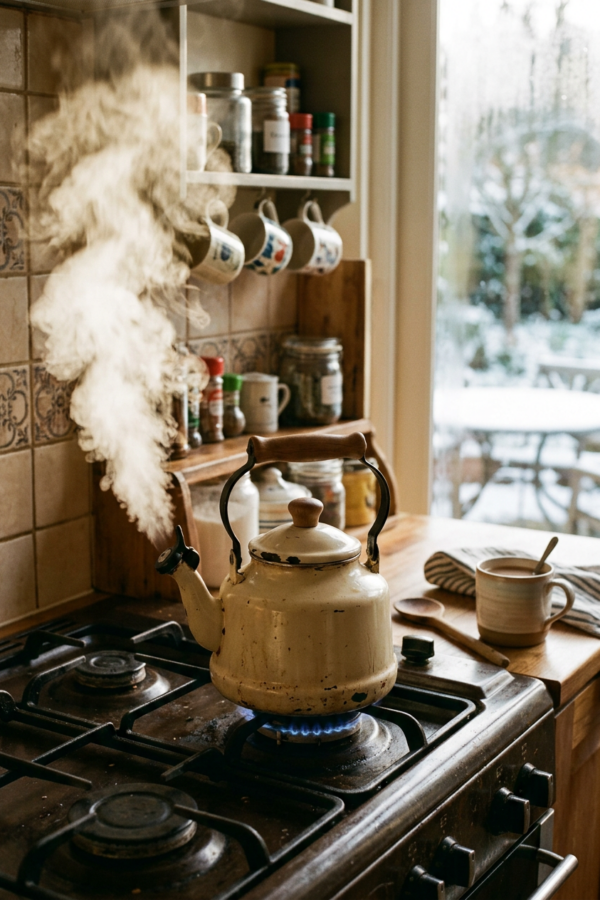
- Stovetop: simpler and cheaper; use a thermometer or let boiling water rest 30 seconds.
- Travel and camping: the 300 ml titanium gooseneck kettle is ultralight and works on a camp stove.
What Size Gooseneck Kettle?
A 600 ml to 1 L kettle suits 1 to 2 cups of pour over. Smaller kettles are lighter and easier to control; very small travel kettles hold enough for one cup.
Pour Over Kit Checklist
- Gooseneck kettle
- A dripper and filters
- A conical burr grinder
- A scale
- A favorite mug; see our coffee mugs guide
Equipment I Used
- 360-degree rotating spice rack: keeps every spice within reach.
Planning a busy week? The Slow Cooking for Busy Days guide covers time-saving slow cooker recipes and meal planning.
Gooseneck Kettles FAQ
Is a gooseneck kettle necessary for pour over?
Not strictly, but it makes consistent, even pours much easier and improves results.
Can you use a gooseneck kettle for tea?
Yes. It works for any hot water task; it just pours more slowly.
What temperature should the water be for pour over?
195 to 205°F (90 to 96°C).
Are titanium kettles safe?
Yes. Titanium is non-reactive and does not affect taste.